
Asphalt Resurfacing in Castle Rock: Worth It?
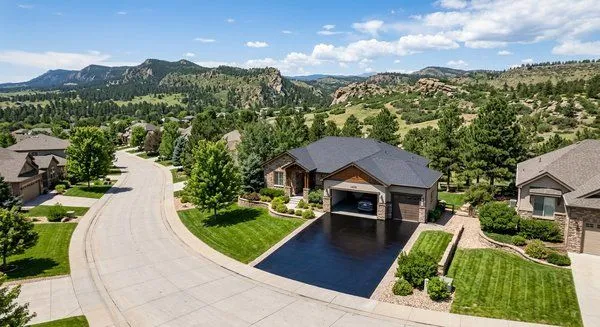
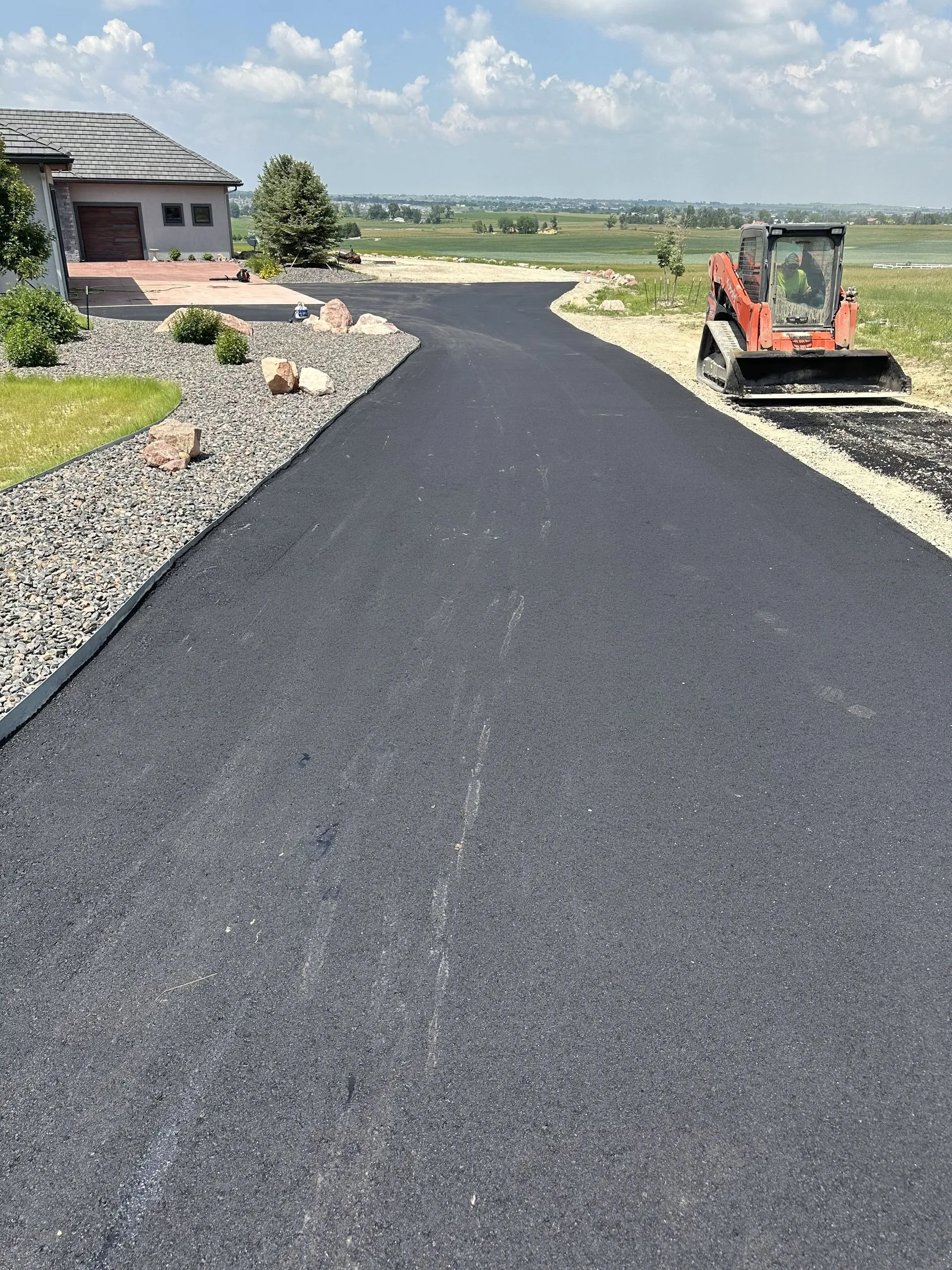
Asphalt resurfacing in Castle Rock is worth it when your pavement's base is still solid but the surface shows widespread cracking, fading, or rough texture. It costs less than full replacement while restoring years of life to a driveway or parking lot. The tricky part is knowing when resurfacing makes sense versus when the damage runs too deep.
October is a smart time to make that call. The ground is still workable before winter's freeze-thaw punishment sets in, and property owners across the area are weighing their options now.
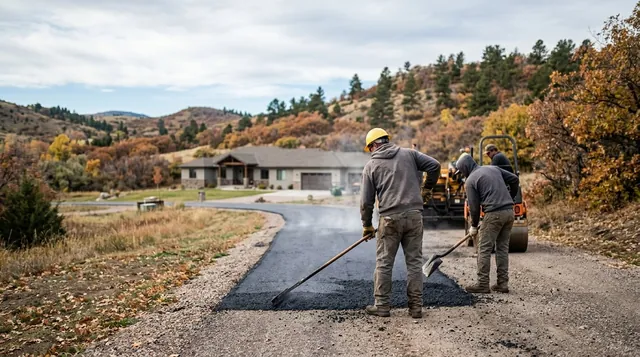
What Resurfacing Actually Fixes
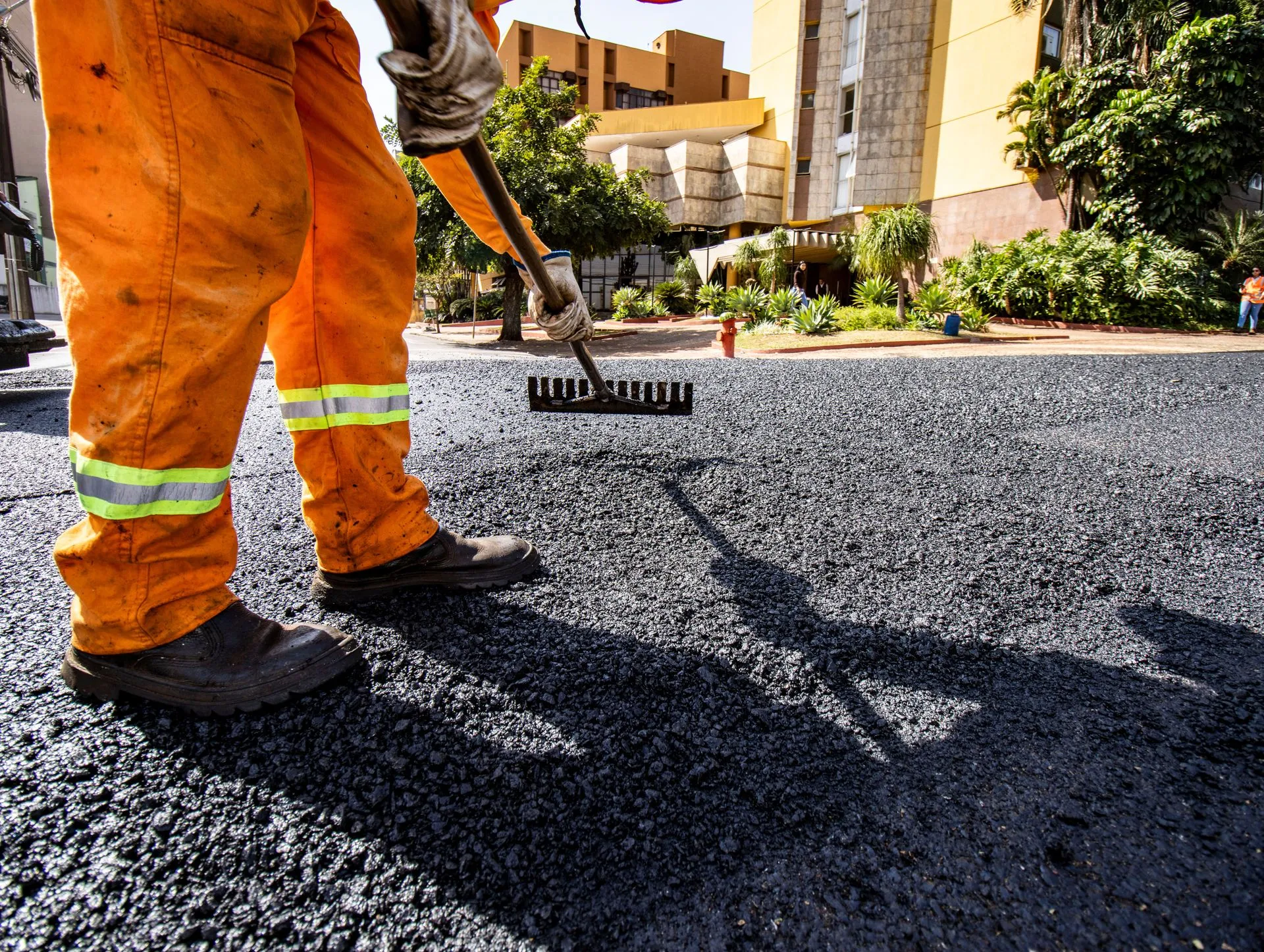
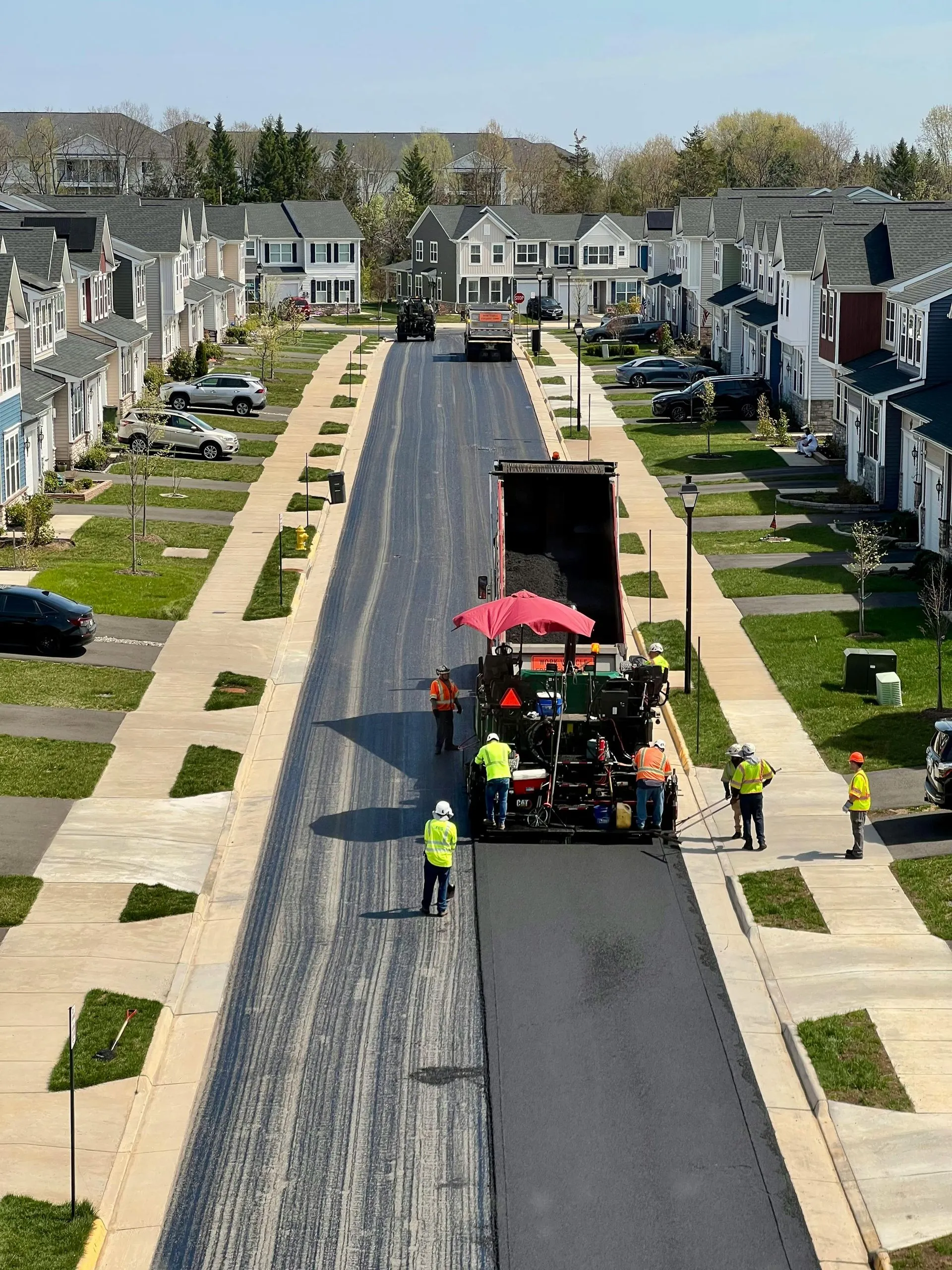
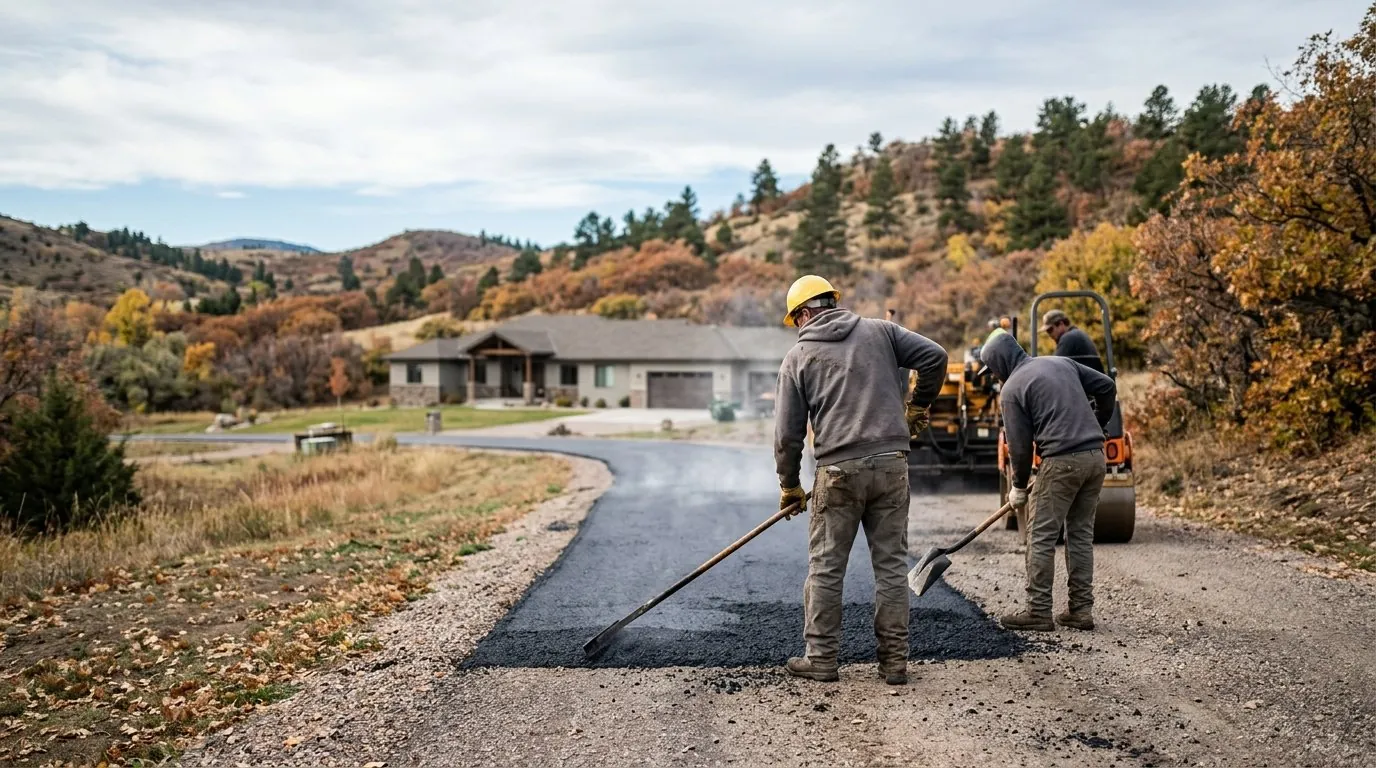
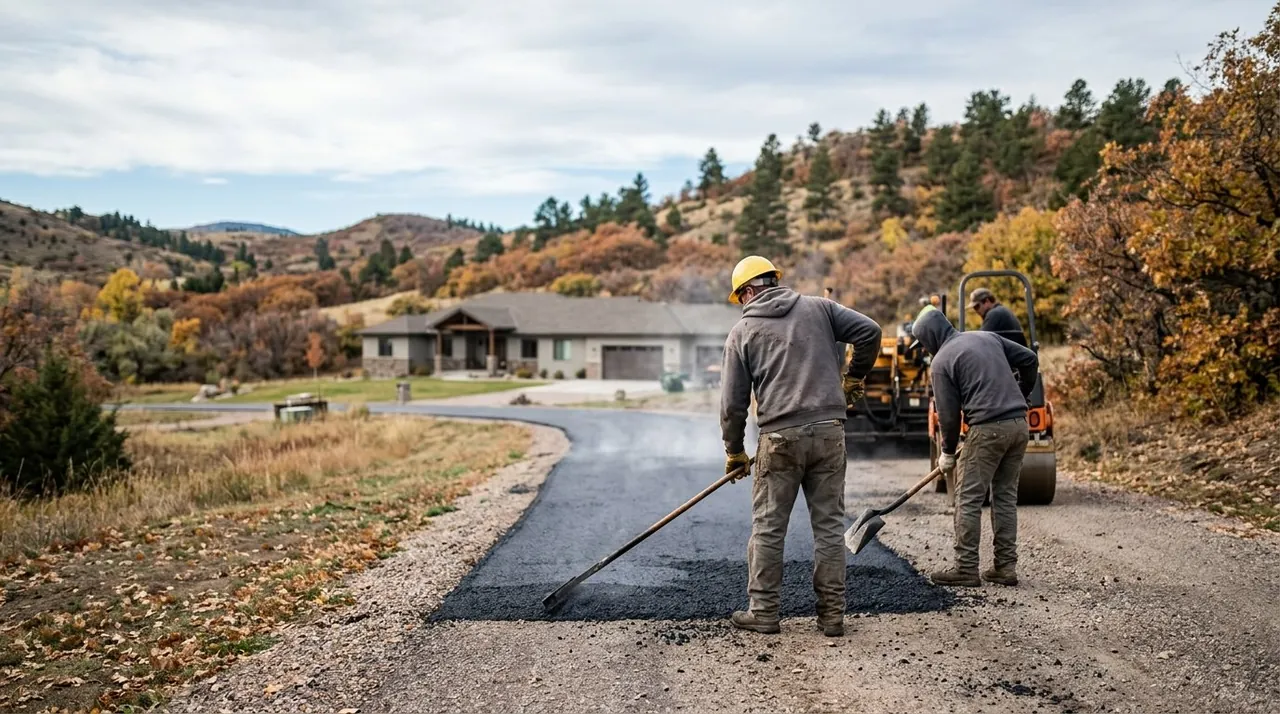
Resurfacing means installing a fresh asphalt layer over your existing pavement. It's different from a simple patch job or a sealcoat, both of which address surface-level issues only.
This process works best when the underlying base is structurally sound. Castle Rock's expansive clay soils, however, complicate that assumption more than in flatter regions nearby.
Clay soil here expands 3% to 6% when saturated and shrinks dramatically when dry. That constant movement pushes pavement upward or lets it sink. This is why some driveways develop dips or edge breakup that look like surface damage but originate below.
Signs You're a Good Candidate for Asphalt Resurfacing in Castle Rock
Not every worn driveway needs full replacement.
Here are signs that resurfacing could be the right fit:
- Widespread surface cracking without deep structural failure
- Fading, rough texture, or minor unevenness across the pavement
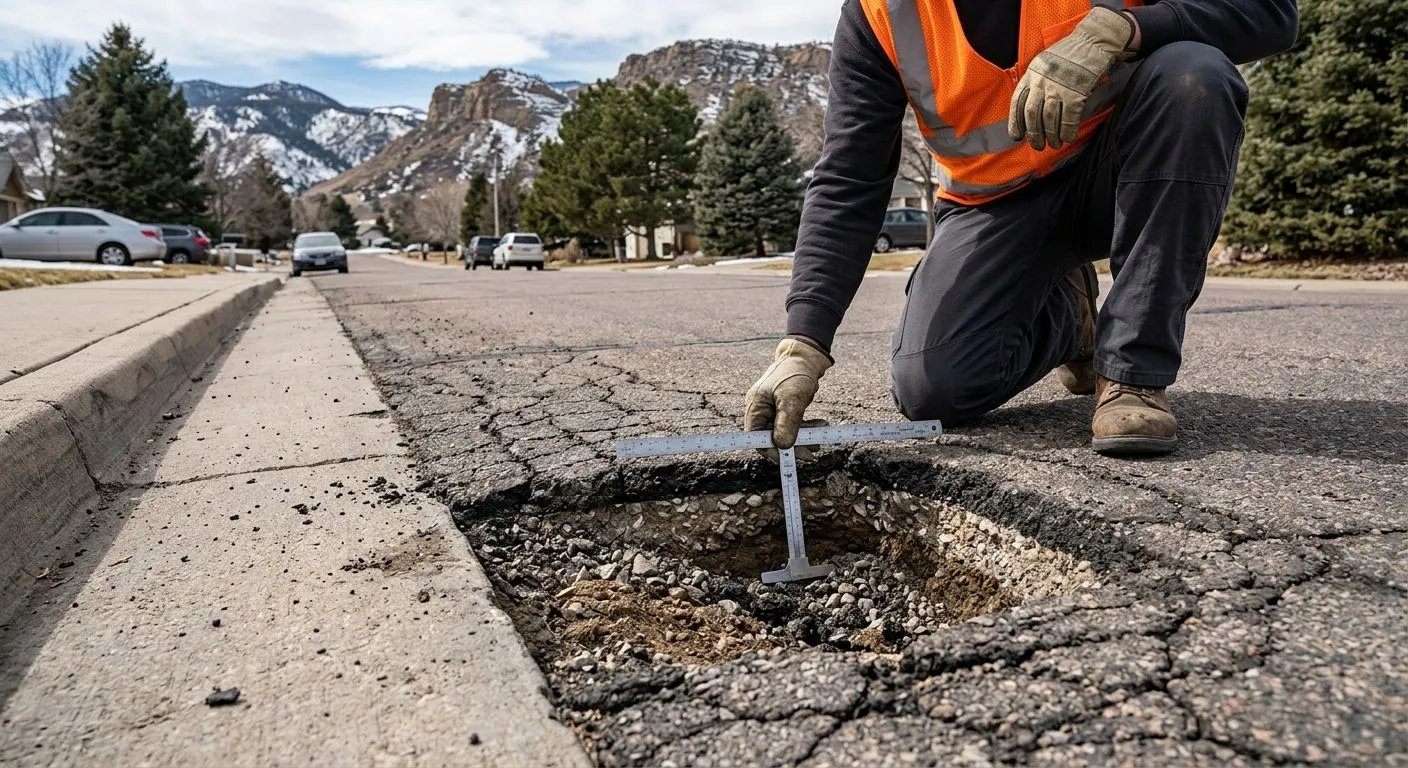
- No major sinking, potholing, or alligator cracking in large sections
- A base that has never shown signs of severe soil-related shifting
If your property shows sinking corners or deep alligator cracking instead, that usually points to a base problem. In that case, asphalt patching or repair services that address the sub-base should come first, before resurfacing is even considered.
Why Castle Rock's Climate Raises the Stakes
The Front Range sees more than 170 freeze-thaw cycles every year, among the highest rates nationally. That's brutal on aging asphalt.
Water seeps into small cracks, then freezes and expands by roughly 9%, generating pressure up to 30,000 psi inside those pores. A pavement surface that looked fine in September can develop wide gaps and potholes by spring.
Resurfacing before winter locks out that moisture with a smooth, sealed layer. Waiting until damage progresses into deep structural cracking means facing a costlier reconstruction project down the road.
The Recycled Asphalt Advantage
Sustainability has become a real factor in local paving decisions. Reclaimed Asphalt Pavement, or RAP, is now a popular choice for resurfacing projects because asphalt itself is fully recyclable.
RAP delivers the same compaction strength and durability as virgin material, but typically at a lower material cost. For homeowners and commercial property owners trying to balance budget with performance, that combination is hard to beat.
This approach also fits the broader push toward lower-carbon construction materials happening across Colorado. Choosing RAP for a driveway resurfacing or a commercial parking lot expansion means meeting green goals without sacrificing quality.
Grading Matters More Than You Think
Castle Rock's terrain isn't flat like many nearby subdivisions. Sloped driveways and sidewalks are common, and that changes how resurfacing should be approached.
Poor grading on an incline invites erosion, especially during sudden summer storms when runoff moves fast. A resurfacing project done right addresses slope and drainage at the same time, directing water away from the pavement and the home's foundation.
This is also why many property owners bundle resurfacing with broader driveway or outdoor paving upgrades rather than treating it as an isolated fix. Getting the grade right the first time avoids repeat problems later.
What to Expect From the Process
A resurfacing project generally follows a few clear steps:
- Inspection of the existing pavement and base condition
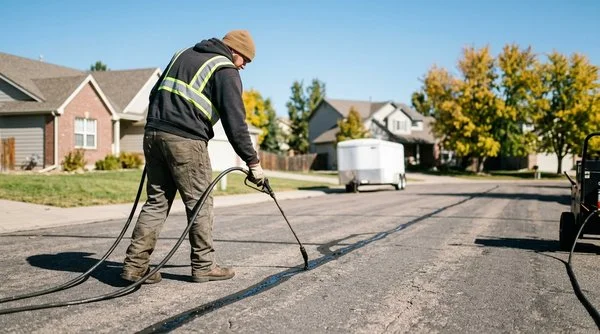
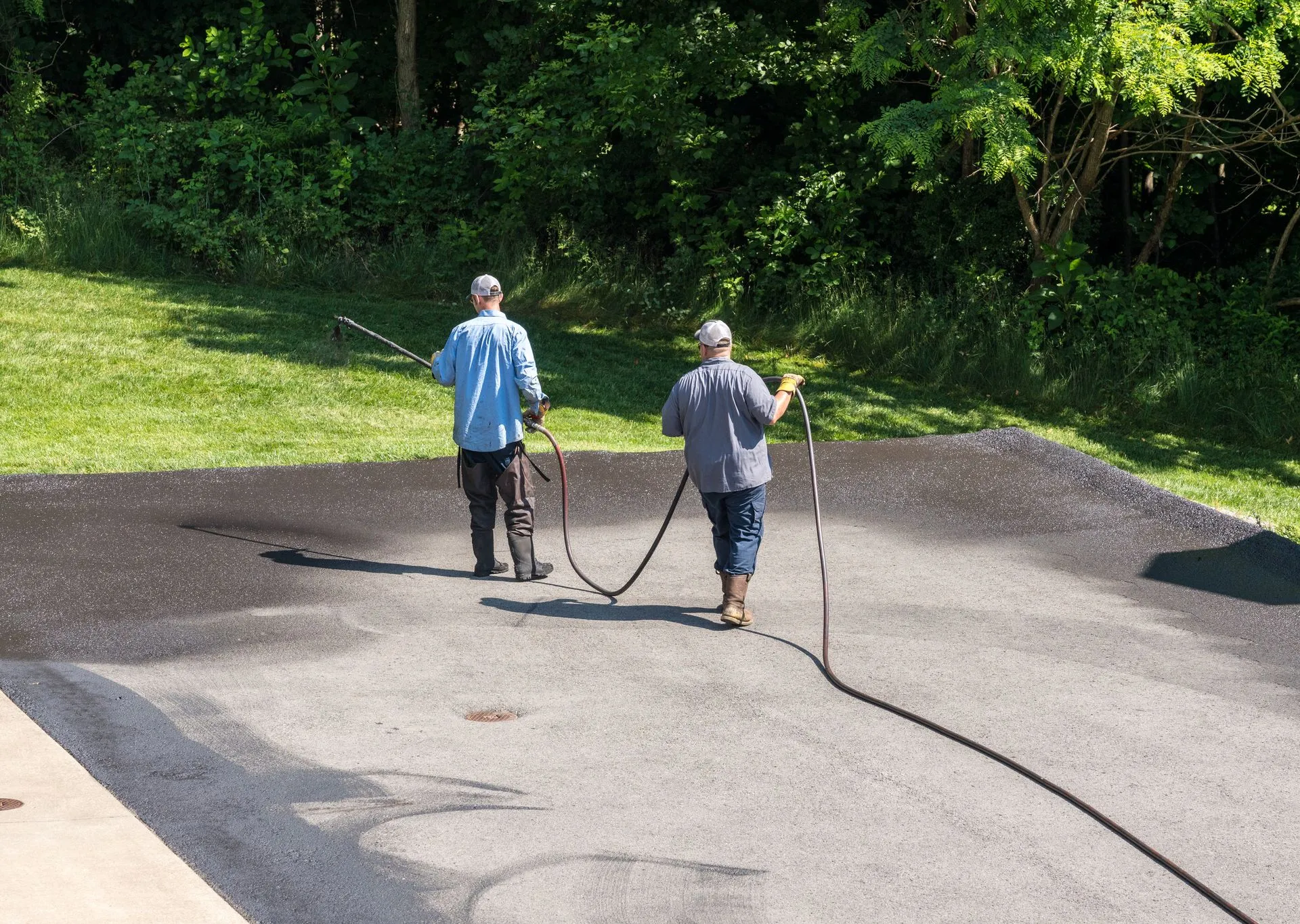
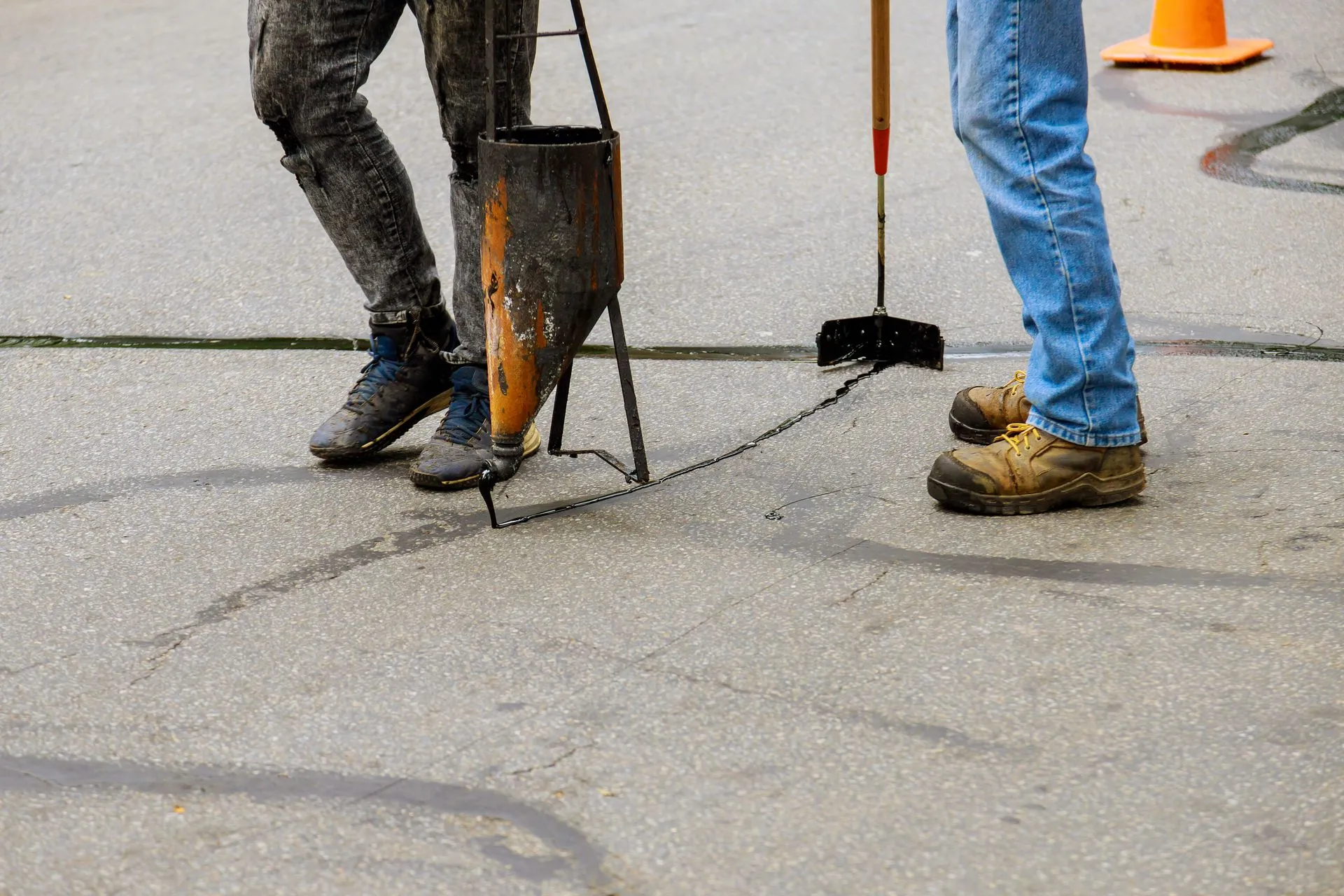
- Cleaning and minor repair of any surface-level cracks
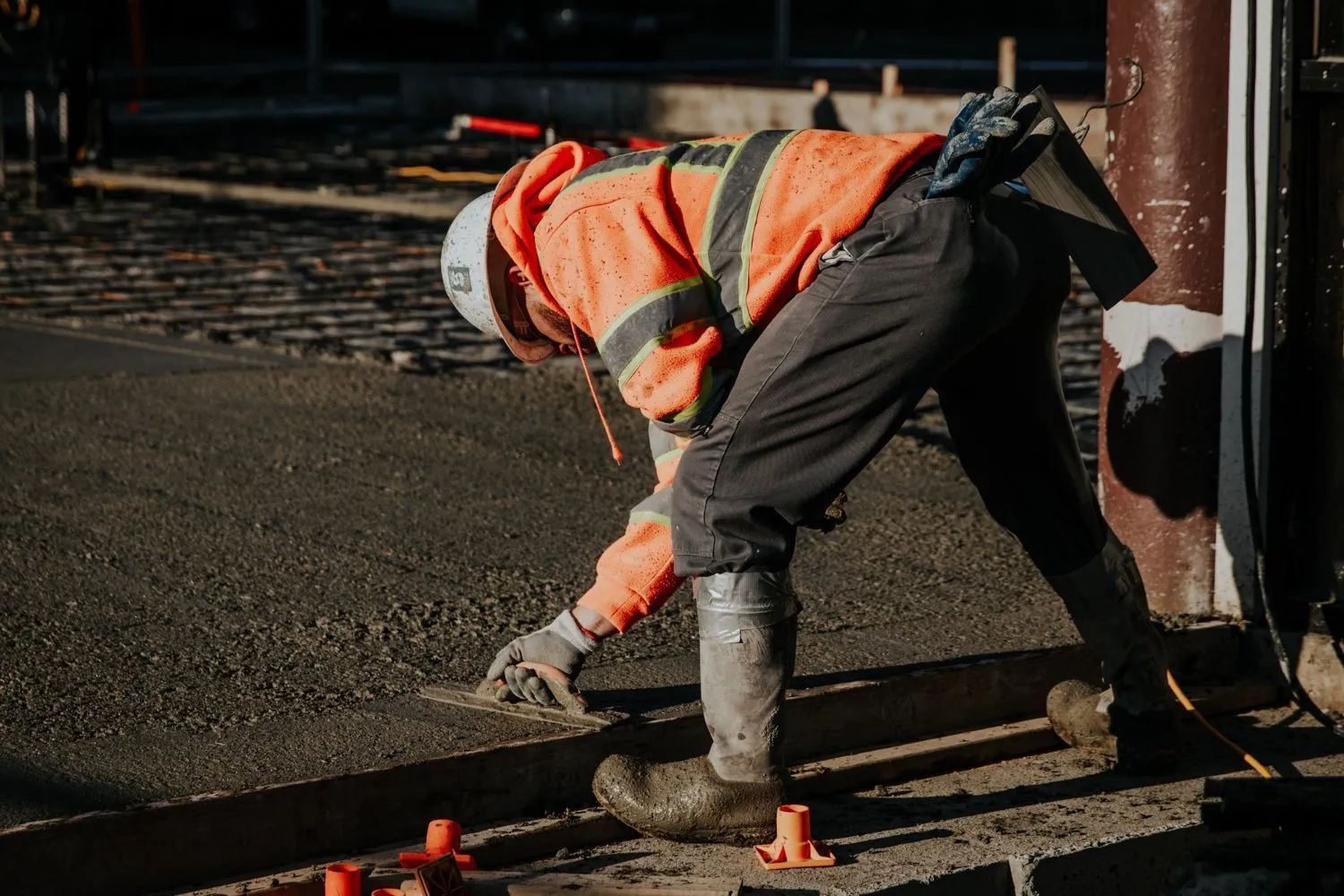
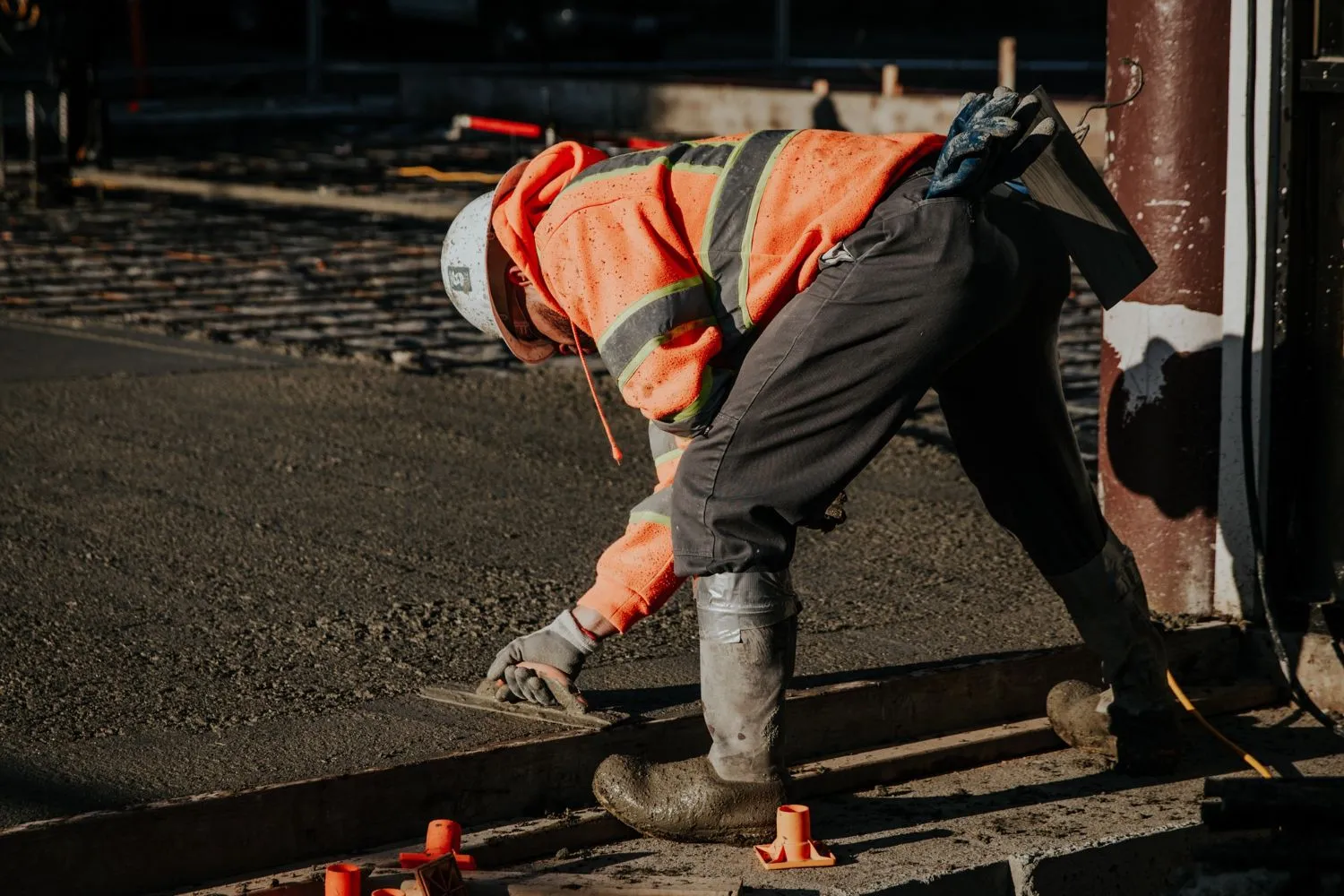
- Application of the new asphalt layer, compacted for density
- Grading checks to confirm proper water runoff
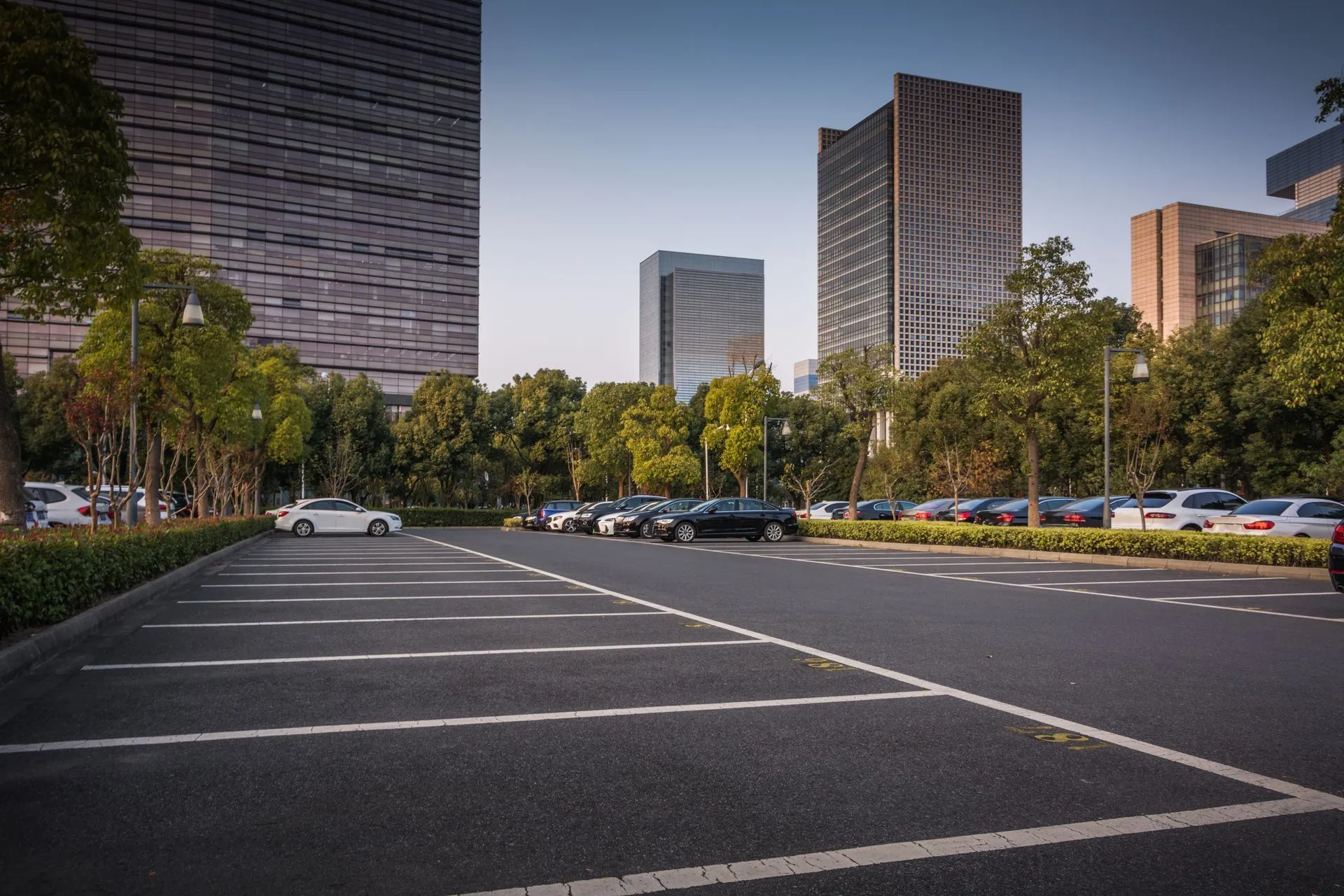
Most residential driveways can be completed within a day or two, depending on size and weather conditions. Commercial lots take longer due to scale and the need to manage traffic flow during the work.
Clients who've worked with Harris Asphalt Paving value straightforward communication. They appreciate a crew that explains what's really happening beneath the surface, not just what's visible on top. That kind of transparency matters when you're deciding between resurfacing and a bigger repair.
Frequently Asked Questions
How long does asphalt resurfacing last in Castle Rock's climate?
Proper base prep and regular sealcoating make a big difference. A resurfaced driveway or lot can perform well for many years, even through Castle Rock's heavy freeze-thaw cycles.
Can resurfacing fix a driveway with sinking corners?
Usually not on its own. Sinking corners often point to clay soil movement beneath the surface, so repair work addressing the base should happen first.
Is recycled asphalt as durable as new material?
Yes. Reclaimed Asphalt Pavement provides comparable compaction and structural performance to virgin asphalt, often at a reduced material cost.
When is the best time of year for resurfacing?
Late summer through early fall is ideal, since it gives the new surface time to cure before winter's freeze-thaw cycles begin in earnest.
If your driveway or parking lot is showing its age, now is the time to get it evaluated before winter sets in. Contact Harris Asphalt Paving to schedule an assessment and find out if resurfacing is the right move for your property.